




You are viewing 1 of your 2 free articles
Interview: Amadeus’ Maher Koubaa reveals insights from Travel Trends report
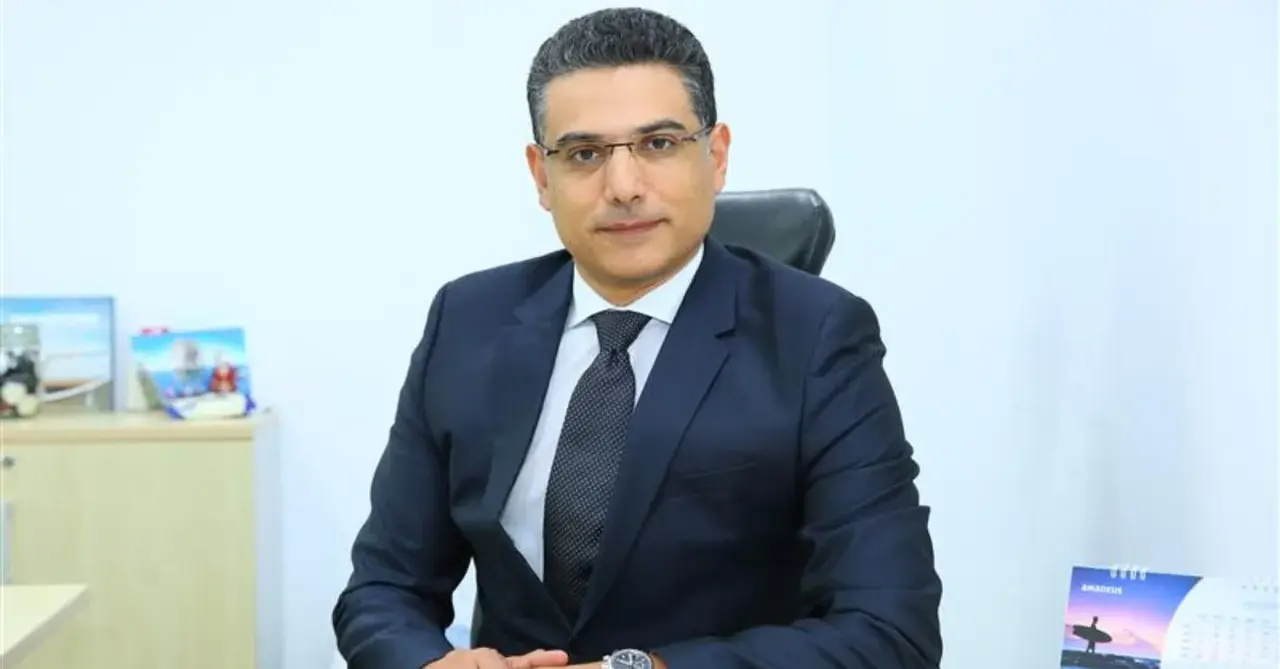
Hyper-personalisation, fandom-led trips, pick ’n’ stays and pet-owners set to shape the market
As travel innovation accelerates into 2026, Amadeus’ latest Travel Trends report charts the cultural, technological and consumer shifts reshaping traveller behaviour and business strategy. From premium pet travel and AI-assisted ‘travel mixology’ to fandom-inspired journeys and hyper‑personalised hotel stays, a common thread emerges: the market’s pursuit of a more tailored, technology‑driven travel experience.
Maher Koubaa, Executive Vice President Travel Unit and Managing Director Europe, Middle East, and Africa (EMEA), explains how these shifts are influencing travellers, brands and trade partners across the GCC, where digital adoption and personalisation continue to redefine the travel experience.
CONNECTING TRAVEL: Looking to 2026 and beyond, what are your key expectations for EMEA travel, with the GCC leading in digital adoption and new demand drivers?
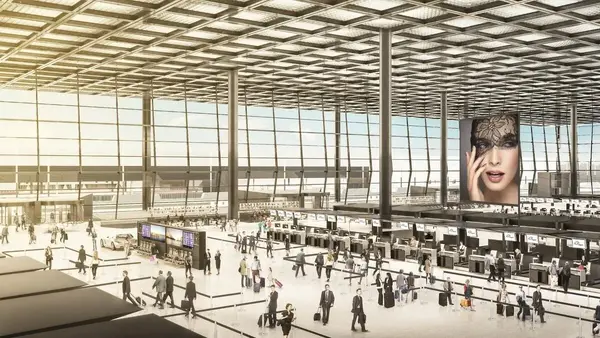
MAHER KOUBAA: Across EMEA, I expect growth to be uneven but for innovation to be widespread. The GCC will continue to stand out for its speed of digital adoption, whether that’s using AI in trip planning, biometrics in airports or mobile-first engagement with travel brands.
New demand drivers will include younger travellers, pet-owning households, remote professionals and experience-seekers who are less constrained by traditional seasonality.
For our partners, the priority will be to use data intelligently: understanding who these travellers are, how they plan and which touchpoints really matter, then aligning product, pricing and distribution around that insight.
RELATED:
Bin Ham Travel renews Amadeus tie-up to power personalised travel
Marriott COO unveils key openings and emerging travel trends for 2026
Hotel preferences steer UAE travellers’ holiday bookings in 2026
CT: With fandom-led journeys identified as a trend, in what ways is the growing influence of culture, pop culture and digital habits impacting travel decisions in the GCC?
MK: We’re seeing culture and pop culture act as increasingly strong ‘nudges’ in destination choice. GCC travellers are highly active on platforms where TV series, music, gaming and creators shape aspiration, and that bleeds directly into where they want to go, what they want to see and which experiences they prioritise.
As major projects like Disneyland Abu Dhabi come online, we’ll see more two-way flows: residents travelling abroad to connect with global IP and international visitors coming into the region for our own cultural brands and attractions.
For the trade, this means thinking beyond traditional tourism marketing and partnering more with entertainment, content and lifestyle ecosystems.
CT: How is pet travel emerging as a trend in the GCC, and what opportunities does it create in the region?
MK: Pet travel is still an emerging but very real opportunity. We know global pet ownership is high, the pet economy is growing fast and the UAE and Saudi pet-care markets are expanding as more households treat pets as family and spend accordingly.
For airlines, that opens space for clearer, more humane pet policies and potentially premium pet travel products. For hotels, it means rethinking a segment of inventory as genuinely pet-friendly, with appropriate amenities and perhaps pet-inclusive loyalty benefits.
Agencies and OTAs can differentiate by making it easier to search, filter and package trips that work for travellers and their pets instead of forcing them to compromise.

CT: What role will hyper-personalisation play in meeting the expectations of GCC?
MK: Hyper-personalisation will move from being ‘nice-to-have’ to ‘expected’, especially for GCC guests who are used to a high service standards. The idea behind ’pick ’n’ stays’ – choosing specific room attributes like wellness equipment, gaming setups, work-friendly layouts or proximity to facilities – aligns very closely with how travellers here already think about lifestyle.
Our research shows a clear willingness globally to pay more for these attributes, and I expect that propensity to be even stronger in affluent, experience-driven markets like the GCC. For hotel partners, the opportunity is to move beyond broad labels like ‘standard’ or ‘suite’ and start merchandising rooms the way ecommerce platforms merchandise products.
CT: Finally, which trends should the GCC travel trade focus on to increase their competitiveness in the coming years?
MK: Two stand out for me. First, the pet economy: it’s easy to dismiss it as niche, but the spend levels and emotional attachment are very real, and there is still a first-mover advantage in the region for genuinely pet-inclusive products. Globally, the wider pet industry beyond just pet travel is expected to be worth around US$500 billion by 2030, according to Bloomberg, a clear signal that this isn’t a fringe trend but a major economic force the GCC should tap into.
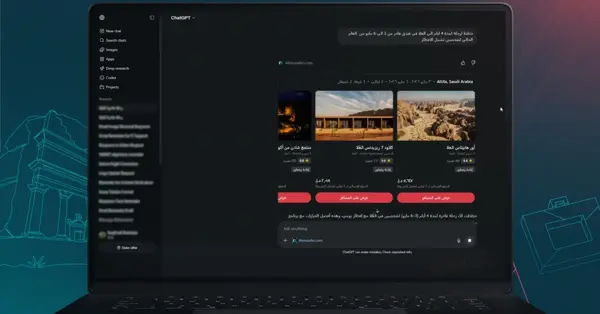
Secondly, the trend for travel mixology and hyper-personalisation. Travellers are willing to pay more for what feels tailored for them. If the GCC trade can plug into that, by being visible in AI-driven discovery, by offering granular choice in flights and stays, and by backing it up with seamless airport experiences, they will be in a very strong position heading into 2030.
For more information, visit amadeus.com/travel-trends




Latest





Jacobs Media is a company registered in England and Wales, company number 08713328. 3rd Floor, 52 Grosvenor Gardens, London SW1W 0AU
© 2025 Jacobs Media

