




You are viewing 1 of your 2 free articles
Gulf hotel performance dropped to pandemic levels in March
Data from STR shows occupancy fell as low as 21% in some destinations
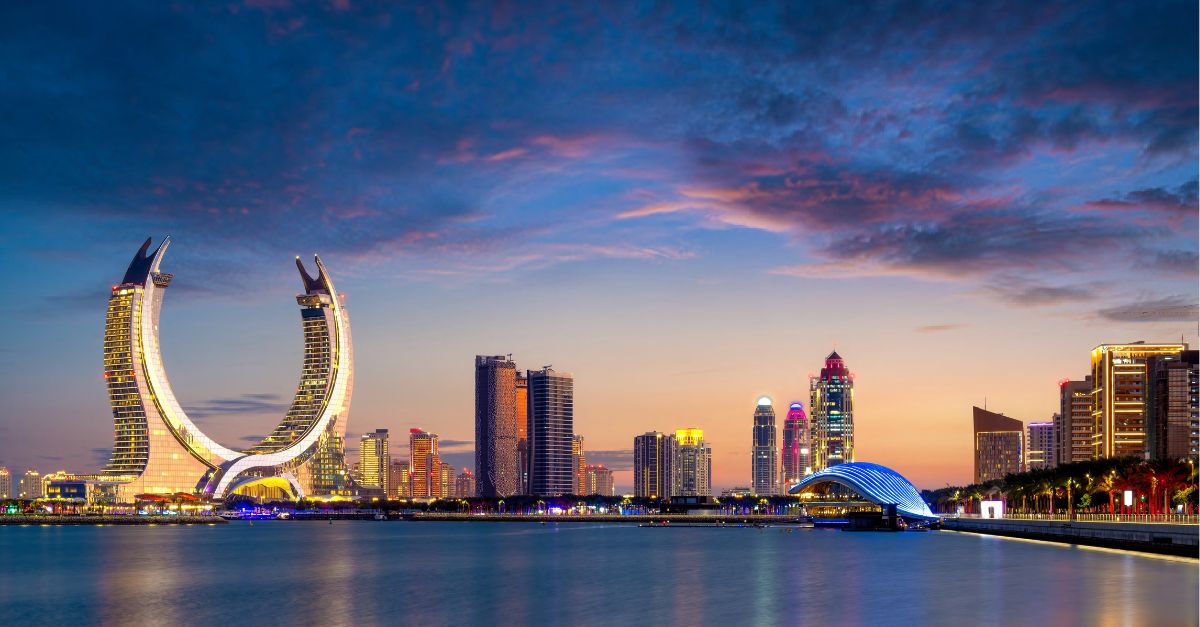
Hotel occupancy across the Middle East has dropped to pandemic-era levels following the outbreak of the Iran war on 28 February 2026.
Figures from global hospitality data platform Smith Travel Research (STR) show occupancy declined throughout March, with the most impacted destinations in the GCC region recording steep week-on-week drops in the latter half of the month.
STR’s data shows performance was uneven across the Gulf, with domestically driven markets showing greater resilience. In Saudi Arabia, Jeddah – supported by religious tourism and proximity to Makkah and Madinah – maintained relatively stable occupancy, holding at around 50% to 60% with only marginal year-on-year declines throughout the holy month of Ramadan and the Eid Al Fitr holiday, which ran from 18 February to 22 March 2026.
RELATED:
Dubai’s five-star hotels drive strong sector growth
Dubai hotels log strongest December in nearly 20 years
UAE hotel occupancy among “world’s highest” says tourism minister
By contrast, internationally exposed markets, such as Qatar and the UAE, recorded sharper drops, reflecting their reliance on long-haul and transit traffic.
Dubai, typically one of the region’s most resilient hospitality markets, saw occupancy drop as low as 21% by the final weeks of March, compared to more than 70% during the same period in 2025. The Eid holiday brought a modest uptick, with occupancy reaching 34% versus 87% the previous year. Abu Dhabi recorded occupancy of 47.7% during Eid, falling from more than 80% last year.
While performance has dropped to levels not seen since the pandemic, the comparison is not exactly like-for-like. Hotel supply across the region has expanded significantly since 2020, with Qatar alone increasing room inventory by nearly 50%. As a result, current occupancy declines are being measured against a much larger supply base.
For more information, visit www.str.com



Latest








Jacobs Media is a company registered in England and Wales, company number 08713328. 3rd Floor, 52 Grosvenor Gardens, London SW1W 0AU
© 2025 Jacobs Media

