




You are viewing 1 of your 2 free articles
Oman hotel revenues rise 18.5%
Occupancy climbs to 68.4% pre-conflict
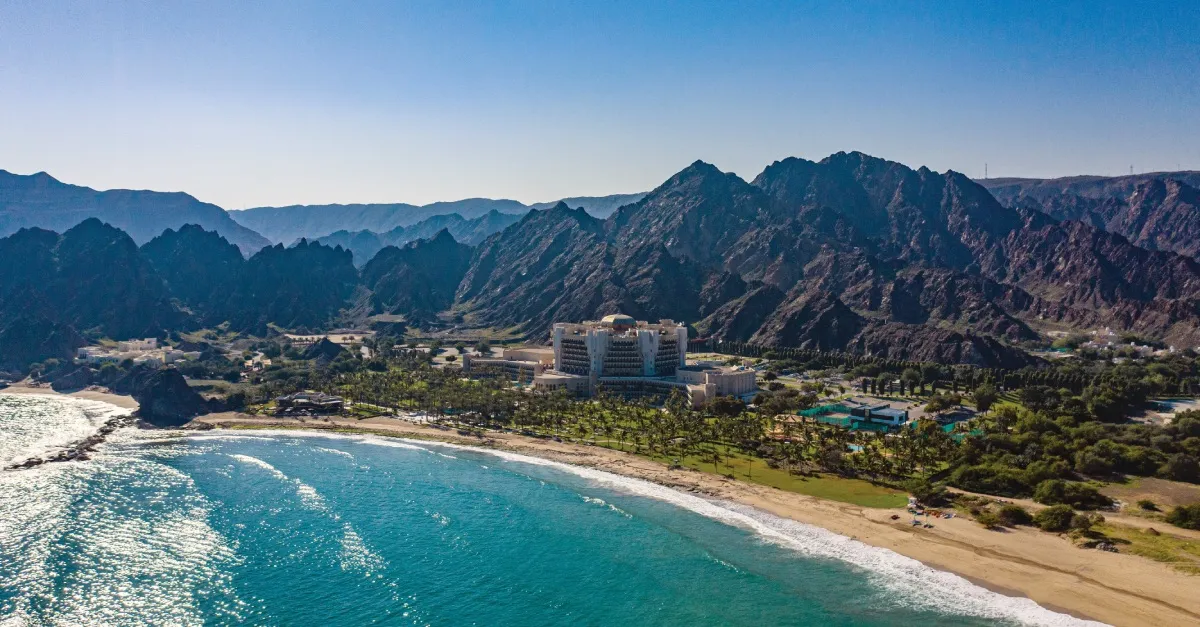
Hotel revenues across Oman’s three- to five-star segment rose 18.5% year-on-year to OMR69.2 million (US$179.9 million) in the first two months of 2026, before the outbreak of the Iran war, even as guest numbers declined 3.6% to 439,287, according to the National Centre for Statistics and Information.
Occupancy increased to 68.4%, up from 67.6% a year earlier, despite the drop in overall guest numbers.
Domestic demand within Oman dropped 5.3% to 129,797, while arrivals from GCC countries fell 18.4% to 22,396 and other Arab markets declined 11.6% to 14,485.
Long-haul markets showed greater resilience. European arrivals, Oman’s largest source market, edged down just 0.5% to 172,072, while Asia and the Americas recorded growth of 4.5% and 5.4% respectively.
Other markets saw sharper declines, with arrivals from Africa down 12.4% and Oceania, including Australia and New Zealand, falling 46.9%.
RELATED:
Nobu to open hotel, restaurant and residences in Oman
Saudi Arabia targets 4.1 million visitors with summer campaign
The latest figures follow a strong 2025 for Oman’s hospitality sector, supported by international campaigns and growing long-haul demand, particularly from Europe and emerging markets.
Seasonality continues to play a key role in demand patterns. Salalah’s annual khareef season, which draws more than a million visitors over three months, remains a major driver of regional travel, while winter continues to attract European tourists seeking milder climates.
Looking ahead, Oman is investing heavily in tourism infrastructure to support long-term growth.
Projects such as the New City Salalah masterplan, a 7,300,000-square-metre coastal development with hospitality, residential and leisure components, form part of wider plans under Vision 2040 to scale visitor numbers and position the country as a year-round destination.
Cruise tourism also contributed to Oman’s visitor numbers, with Gulf itineraries including Omani ports, however several Arabian cruises have been cancelled since the escalation of the Iran conflict, which could impact future growth in the country’s tourism sector.
Trending








Jacobs Media is a company registered in England and Wales, company number 08713328. 3rd Floor, 52 Grosvenor Gardens, London SW1W 0AU
© 2025 Jacobs Media

